
Proving Passive House: Stop the Closeout Scramble
Every high-performance project tends to end the same way. The design was rigorous. The modelling was rigorous. And then the *proof* of what was actually built gets assembled in a panic in the weeks before submission. The performance was there. The proof was not.

- Published
- Read time
- 6 min read
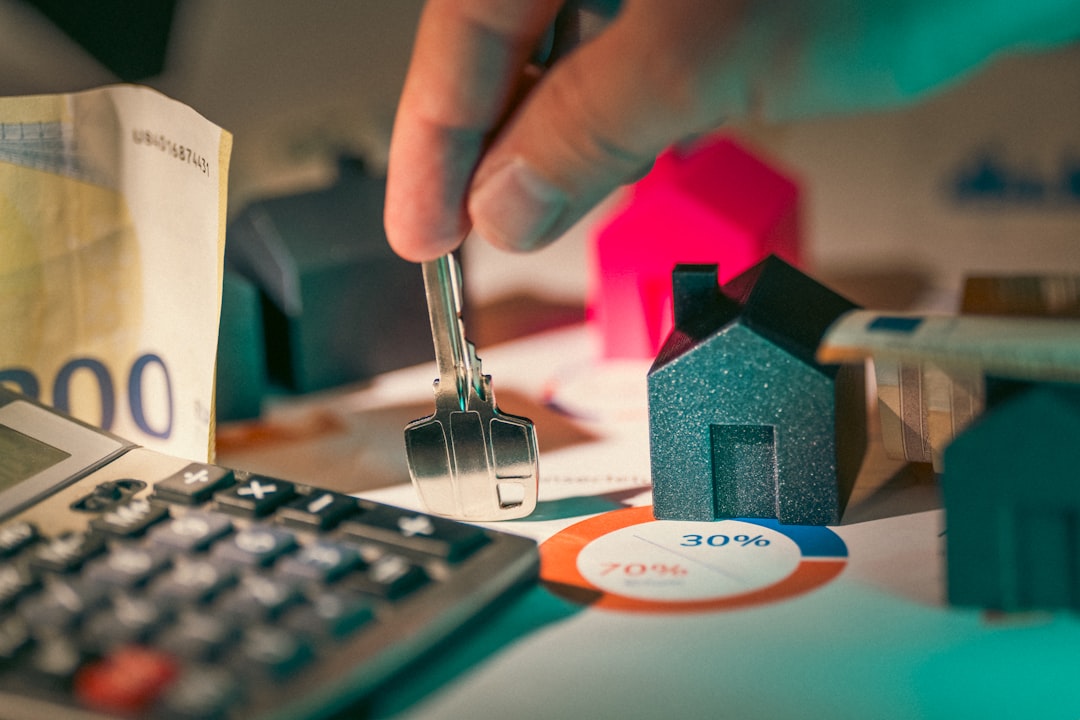
Stop the closeout scramble
Every high-performance project tends to end the same way. The design was rigorous. The modelling was rigorous. And then the proof of what was actually built gets assembled in a panic in the weeks before submission.
The performance was there. The proof was not.
Documentation is the deliverable
For a certified Passive House — PHI, PHIUS, or EnerPHit — the certificate depends on evidence: product certificates, test results, U-values and lambda values, geo-stamped site photos tied to the right checklist item. If that evidence is captured retroactively, it's fragile and it's expensive.
Capture it as it happens
The alternative is to treat the compliance record as a live asset from day one:
- The project is scaffolded to its standard the day it opens.
- Every gap becomes an assignable task with an owner.
- Phase gating means a stage can't be logged as started until the prior stage's documentation is signed off.
- The certifier watches a read-only dashboard, so problems surface weeks early instead of at submission.
Certification stops being a scramble and becomes a by-product of building well.
Keep reading
 Architecture
Passive House at scale: When the standard meets affordable housing.
Passive House gets more interesting when you stop treating it as a boutique exercise and ask whether it can survive the realities of affordable housing. In cold, humid climates, that means comfort, durability, and lower operating risk.
7 min read · August 17, 2026Read article Healthy Living
Passive House Is Really a Health Story
People do not live in energy models. They live in rooms that are comfortable or annoying, quiet or noisy, fresh or stale. Passive House is presented here as a way to improve daily life through better enclosure, ventilation, and durability.
7 min read · August 8, 2026Read article Practice
Document Control for Small Builders
People living in buildings care less about technical metrics than comfort, fresh air, and predictable bills. This article makes the case that Passive House improves daily life in ways occupants feel immediately.
6 min read · August 3, 2026Read article